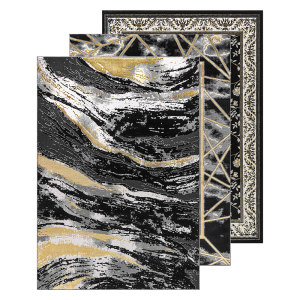
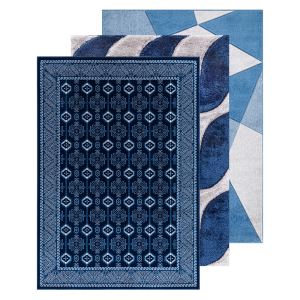
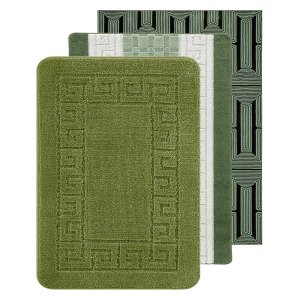
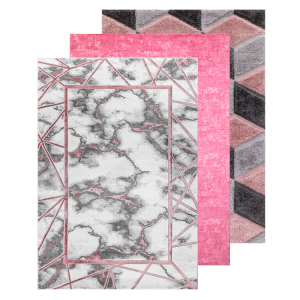
How to Layer Rugs for a Modern and Stylish Look
Layering rugs is one of the best ways to upgrade your home décor. In this guide, you’ll learn how to layer rugs for a modern and stylish look, bringing warmth, depth, and personality to any room. Instead of looking for that one ideal rug, layering enables you to merge textures, patterns, and materials, creating a space that is warm, functional, and aesthetically pleasing. At renoazul, we have an extensive selection of high-quality rugs to assist you in accomplishing this fashionable trend with ease.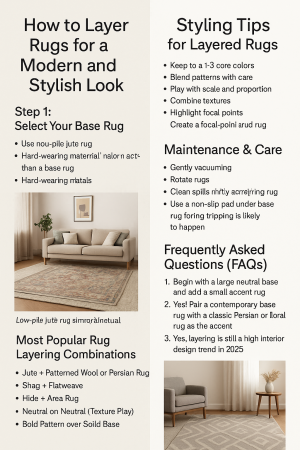
Why Layering Rugs Works
Layering rugs is not a fad—far from it. It’s a design technique with several advantages that are versatile to say the least:
- Cost-effective: Buying a series of small rugs may be more economical than acquiring one big show-stopping rug.
- Adds texture and depth: Mixing rug textures like jute, wool, polyester, or shaggy piles adds depth.
- Flexibility and adaptability: Layered rugs enable you to change your look seasonally or give a room a new appearance without undergoing a full renovation.
- Salvages valuable rugs: Providing a tough foundation for sensitive or antique rugs saves them from damage.
- Zones in open spaces: Perfect for living rooms, dining rooms, and hallways, layered rugs can demarcate subtly different functional spaces.
Step 1: Select Your Base Rug layering ideas
The base rug determines the tone of your layered look and serves as the canvas for your accent rugs.
How to choose a base rug:
- Use neutral colors: Beige, gray, cream, or pale pastels let your accent rug shine.
- Size is important: The base needs to be 12–18 inches larger than the outer edges of the top rug.
- Hard-wearing material: Flatweave, low-pile, or natural fiber rug such as jute or sisal works as a solid base.
- Non-slip support: Put a rug pad on the bottom to stop slipping and guard your floors.
A low-pile jute rug is a perfect neutral background for any living room or bedroom arrangement.
Step 2: Add Your Accent Rug
The accent rug is where you bring in color, pattern, and texture, adding visual interest.
Tips for picking and placing your top rug:
- Make sure it is smaller than the base rug so that it scales correctly.
- Bold patterns, bright colors, or rich textures contrast with a neutral background.
- Combine textures—e.g., a high-pile wool rug on top of a flatweave jute rug—to create a tactile disparity.
- Place it slightly off-center or at an angle to add a contemporary, gallery-like appearance.
Example from renoazul: Combine a floral or geometric high-pile rug on top of a neutral wool or jute foundation to raise your living room style.
Most Popular Rug Layering Combinations
- Jute + Patterned Wool or Persian Rug
- Base: Plain jute rug
- Accent: Patterned wool or Persian rug
- Why it works: Balanced base with a top accent rug brings interest
- Shag + Flatweave
- Soft, plush texture on a flatweave background
- Perfect for lounges and bedrooms to provide softness on the floor
- Hide + Area Rug
- Free-form shapes on ordered patterns create movement and balance
- Neutral on Neutral (Texture Play)
- Layer rugs of the same color but different texture for depth without visual confusion.
- Bold Pattern over Solid Base
- Utilize a bold rug over a neutral background for a focal point
- Runners Overlapping
- Perfect for hallways, kitchens, or entrances to visually direct traffic.
Layering Rugs Room by Room
Living Room:
- Ground your seating with a large neutral base rug.
- Position a smaller statement rug in front of the coffee table.
- Let the furniture brush the base rug to tie the layered appearance together.
Bedroom: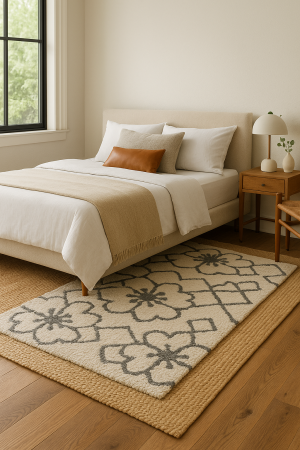
- Utilize a base rug beneath the bed to define the area.
- Place a smaller accent rug at the foot or side of the bed for extra comfort.
Entryways & Hallways:
- Utilize low-profile rugs to prevent tripping.
- Layer runners or small accent rugs to achieve visual movement.
Dining Room:
- Keep the top rug low-pile and positioned in the center beneath the table.
- Don’t overlap too heavily in traffic areas to avoid chair interference.
Lounge & Sitting Areas:
- Blend modern abstract rugs with classic patterns to achieve a styled aesthetic.
- Overlap or angle rugs for an asymmetrical chic look.
Styling Tips for Layered Rugs
- Keep to a unified color scheme: Employ 2–3 core colors throughout layers.
- Blend patterns with care: Combine bold patterns with soft textures to ensure balance.
- Play with scale and proportion: Bottom rug should be considerably bigger than the top layer.
- Combine textures: Wool, jute, hide, and high-pile rugs go great together.
- Highlight focal points: Create a focal point in your room design with a bright-colored rug.
Maintenance & Care
Right care keeps your layered rugs looking stylish and functional:
- Gently vacuum to preserve delicate fibers.
- Rotate rugs to avoid uneven wear and fading.
- Clean spills right away to preserve multiple layers.
- Use a non-slip pad under the base rug for stability.
- Don’t layer in high-traffic areas where tripping is likely to happen.
Seasonal and Style Inspiration
Seasonal Swaps:
- Spring & Summer: Lightweight fabrics such as cotton or linen; pastel, soft colors.
- Fall & Winter: Cozy textures such as wool or shag; deep, rich colors.
Popular Styles:
- Bohemian: Combine international prints and fringes for a “collected-over-time” look.
- Modern Minimalism: Tone-on-tone rugs with soft geometric patterns.
- Transitional: Meld classic Persian rugs with modern abstract textures.
- Natural & Organic: Incorporate jute, hide, and terracotta-colored rugs for a serene, organic look..
Frequently Asked Questions (FAQs)
- How to layer rugs correctly?
Begin with a large neutral base and add a small accent rug. Leave a border around the top rug, overlap the furniture a little bit, and make sure all edges lie flat. - Can you mix modern and traditional rugs?
Yes! Pair a contemporary base rug with a classic Persian or floral rug as the accent. Tie the design together using contrasting colors. - Are layered rugs still in style in 2025?
Yes. Layering is still a high interior design trend, focusing on texture, contrast, and a tastefully curated, eclectic look. - How to style rugs next to each other?
Edge-to-edge placement or a little overlap is ideal. Coordinate heights and textures and have a cohesive color palette for continuity.
Conclusion
Layering rugs is an age-old technique to revamp your home, bringing warmth, texture, and style. By thoughtfully choosing a base and accent rug, combining texture and pattern, and applying room-specific advice, you can create a space that works, feels cozy, and is visually appealing.
At renoazul, our wide collection of premium rugs—from geometric and floral to traditional and abstract—makes it easy to experiment with layering and elevating every room. Whether you want a bold statement or a subtle accent, layering rugs is a versatile and creative approach to home décor. Explore our collections today and start layering your way to a stylish and cozy home!