Quick answer: Yes, you can put a rug on underfloor heating. Choose a thin, low pile or flatweave rug with a breathable backing, keep the total tog of your floor coverings at or below 2.5 (ideally around 1 for the rug), avoid foam or felt underlays and do not cover most of the floor. Always follow your heating and flooring manufacturer’s guidance.
Underfloor heating (UFH) has become one of the most popular upgrades in UK homes, usually paired with wood, laminate or tiled floors. Those floors can feel hard and echoey, so a rug is the natural finishing touch. The question we are asked most is whether a rug will block the heat or damage the system. This guide explains what to look for, in plain terms.
Can you put a rug on underfloor heating?
Yes. A rug sits on top of the floor like any other covering. As long as it lets heat pass through, your room will still warm up efficiently and the floor will stay within its safe temperature. Problems only arise with rugs that are too thick, too dense or have insulating backings, because they trap heat and create hot spots underneath.
What is a tog rating and why does it matter?
Tog measures thermal resistance, how much a material stops heat getting through. The higher the tog, the more it insulates. For underfloor heating you want a low tog.
- Combined limit: UK underfloor heating guidance usually recommends that all floor coverings together (rug, underlay and flooring) stay at or below 2.5 tog.
- For the rug itself: around 1 tog or less is a safe target.
- Rule of thumb: thin, low pile and flatweave rugs have a low tog; thick shaggy rugs and rugs with foam or felt underlay have a high tog.
Most rug retailers do not publish tog ratings. If yours does not, use thickness as your guide.
How thick can a rug be?
Thinner is better. Low pile and flatweave rugs of around 1 cm let heat through well. Many installers suggest staying well under 2.5 cm in total thickness, including any underlay. Deep shaggy rugs are cosy, but they are better suited to rooms without underfloor heating.

The best rugs for underfloor heating
| Rug type | Good for UFH? | Why |
|---|---|---|
| Flatweave and low pile | Best choice | Thin, low tog, lets heat through |
| Thin polypropylene or polyester | Good | Durable, easy to clean, low tog when thin |
| Thin wool | Good | Breathable and tolerates warmth well |
| Jute or natural fibre | Good (not in bathrooms) | Breathable, but dislikes moisture |
| Medium pile | Usually fine | Check thickness; avoid covering large areas |
| Thick shaggy or high pile | Avoid | Traps heat and can cause hot spots |
| Foam or felt backed, thick underlay | Avoid | Insulating layer blocks heat |
Renoazul rugs that suit heated floors
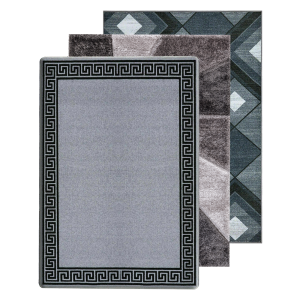
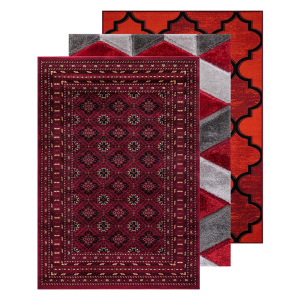
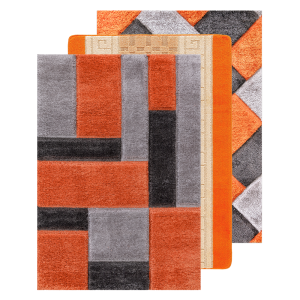
Our low pile rugs are around 1 cm thick or less, which makes them a sensible match for underfloor heating. Jute-backed, low pile designs such as Luna, Gant, Iris, Harlo and our Modern Abstract rug have a breathable backing and a slim profile. We do not publish tog ratings, so please check thickness against your heating manufacturer’s limits.
Rubber and gel-backed rugs are great for grip in hallways and kitchens, but some heating and flooring manufacturers advise against rubber backings on heated floors. Check your manufacturer’s guidance before using them over UFH.
Wet vs electric underfloor heating
- Wet (water) systems run at lower surface temperatures and are generally more forgiving with rugs.
- Electric systems are more sensitive to heat build-up. Use thin rugs, avoid covering large parts of the floor and keep the floor sensor within its limit.
Wooden floors and underfloor heating
Wood and engineered timber floors usually have a maximum surface temperature of around 27°C. A thick rug can push the floor beneath it above that limit, which can cause gaps, cupping or discolouration. Thin rugs, sensible coverage and a floor thermostat prevent this.
Where to place rugs on heated floors
- Use medium or small rugs to zone areas, such as under a coffee table, beside the bed or under a dining table, rather than covering the whole floor.
- Leave the floor around the room’s edges uncovered so heat can rise freely.
- In bathrooms, use thin, quick-drying mats and lift them after use.
Care tips
- Vacuum regularly, as dust and debris trapped in the pile add insulation.
- Rotate rugs every few months for even wear.
- Lift rugs occasionally to check the floor underneath for discolouration or moisture.
Looking for a thin, easy-care rug? Browse our low pile rugs, washable rugs and living room rugs.
Rugs and underfloor heating FAQs
Can you put a rug on underfloor heating?
Yes. A thin, low pile rug with a breathable backing lets heat pass through and will not harm your system. Avoid thick, dense rugs and foam or felt underlays, which trap heat.
What tog rating should a rug be for underfloor heating?
Underfloor heating guidance in the UK usually recommends that the combined tog of all floor coverings stays at or below 2.5 tog. A thin rug of around 1 tog or less is the safest choice. Always check your heating manufacturer’s limit.
How thick can a rug be on underfloor heating?
Thinner is better. Low pile and flatweave rugs of around 1 cm let heat through well. Many installers suggest staying well under 2.5 cm in total thickness, including any underlay.
Are IKEA rugs OK for underfloor heating?
Most thin, low pile rugs from any retailer, including IKEA, work with underfloor heating. Avoid thick shaggy rugs and felt or foam-backed rugs, and check the product’s thickness before you buy.
Can I use a rug on electric underfloor heating?
Yes, but take more care. Electric systems are more sensitive to heat build-up, so use thin rugs, do not cover large parts of the floor, and keep the floor temperature within your system’s limit using the thermostat.
Are polypropylene rugs safe on underfloor heating?
Thin polypropylene rugs are a practical choice: they are hard-wearing, easy to clean and let heat through when they have a low pile. Avoid thick polypropylene shaggy rugs and foam backings.
Will a rug damage a wooden floor with underfloor heating?
Not if you choose the right rug. Wood and engineered floors usually have a maximum surface temperature of around 27°C. A thick rug can push the floor beneath it above that limit, so use thin rugs and follow your flooring manufacturer’s guidance.